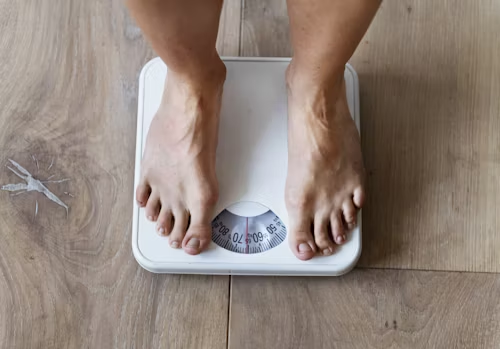
Weight Loss Plan Without Exercise: 7 Habits That May Help
Can you really work toward your weight goals without exercise? Yes. Weight management comes down to roughly 80% what you eat and only 20% movement, so you don’t need to run, lift weights, or join a gym to get started.
This guide focuses on calorie control rather than workouts, using sustainable habits like smarter food choices, meal timing, and reducing water weight.
This article is for informational purposes only and isn’t medical advice. Rapid weight loss isn’t safe for everyone, so always check with your doctor before starting a new plan, especially if you have diabetes, heart disease, or are pregnant.
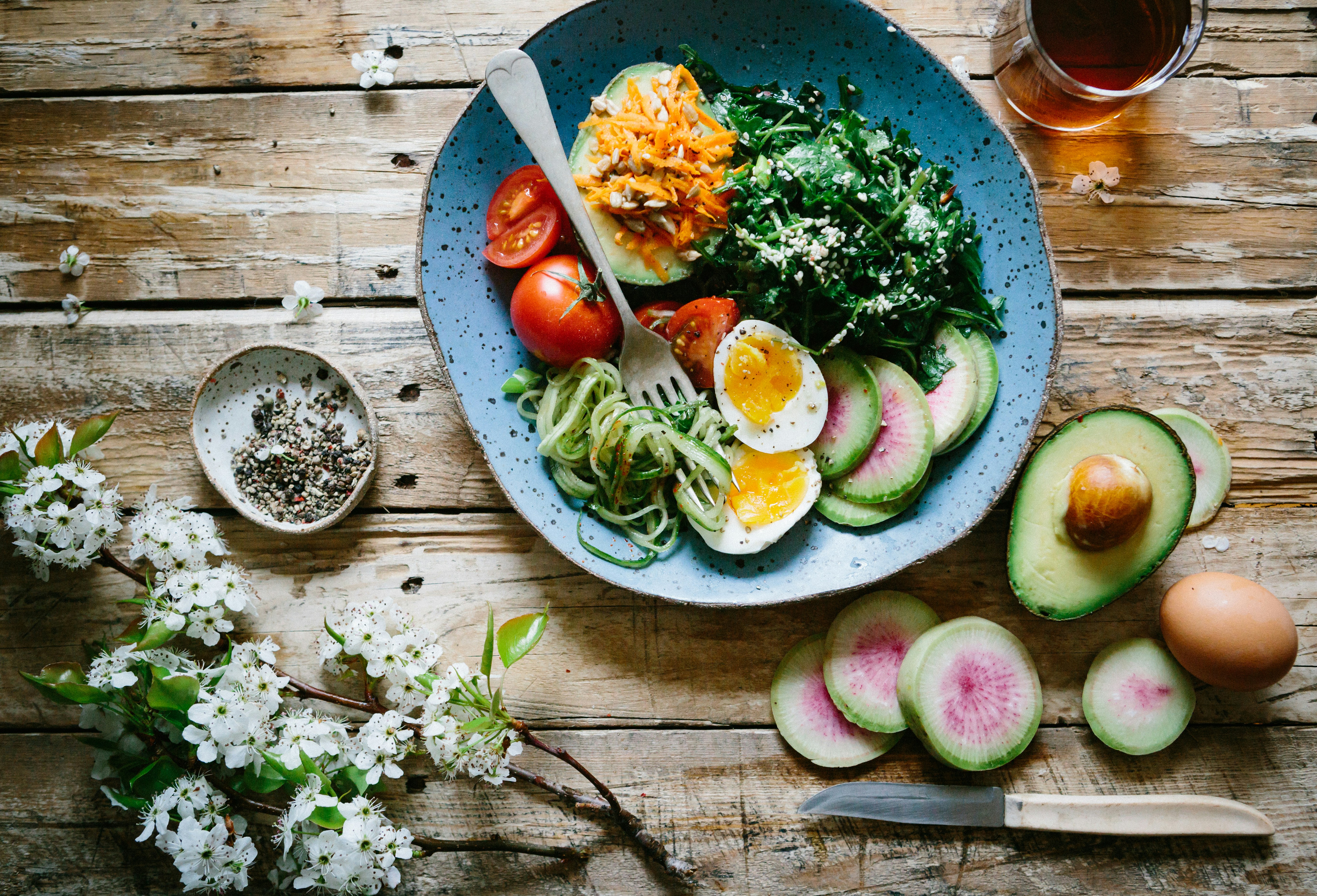
Why Most People Struggle to Lose Weight Without Exercising
The biggest mistake is eating “healthy” foods that are still surprisingly high in calories. A smoothie with banana, peanut butter, and honey can easily run 500+ calories, and a salad with creamy dressing can hit 700+.
To lose weight, you need a calorie deficit, meaning you burn more than you eat. A safe deficit for most adults is around 500 calories a day, which typically supports about a pound of weight loss per week. Extreme deficits like 2,500 calories a day aren’t safe or sustainable.
Here are seven habits that can help you get there safely, without a single trip to the gym.
7 Habits That Support Weight Loss Without Exercise
1. Track Your Calories for a Few Days
You can’t manage what you don’t measure, though you don’t need to track forever. Most people underestimate how much they eat by 300 to 500 calories a day.
How to use it: Track your food for three days using a free app like MyFitnessPal, identify your three highest-calorie foods, and cut those portions by about 25%. This creates a safe deficit without feeling like you’re starving, and it’s a great starting point for beginners.
2. Try a 14:10 Intermittent Fasting Window
Intermittent fasting helps control calories without counting them. A 14-hour overnight fast is safe for most adults, and some studies suggest it may help support healthy insulin levels and reduce bloating.
How to use it: Stop eating around 7 p.m. and have your first meal around 9 a.m. the next day. Water, black coffee, and tea are fine during the fasting window. It’s simple, free, and naturally reduces how much you eat.
3. Add Protein to Every Meal
Protein helps keep you full and supports muscle, which burns more calories than fat. Eating 25 to 30 grams of protein per meal may help reduce cravings significantly.
How to use it: Build meals around eggs, Greek yogurt, chicken, or fish, aiming for a palm-sized portion at each meal, and add beans or lentils for extra staying power.
4. Cut Back on Liquid Calories
Soda, juice, and specialty coffee drinks add up fast without filling you up. A single frappuccino can run 400+ calories, roughly a fifth of many people’s daily needs.
Swap it: Switch to water, black coffee, or unsweetened tea, adding lemon or cucumber for flavor if you’d like, and limit alcohol to about one drink a week. This alone can cut 300-500 calories a day.
5. Cut Back on Sodium to Reduce Water Weight
Your body can hold onto 2 to 4 pounds of water weight, and high sodium from processed foods is often the culprit behind that puffy, bloated feeling. A single salty restaurant meal can add a few pounds on the scale overnight.
How to use it: Cook at home more often, season with herbs instead of salt, and check labels for low-sodium options. Most people notice less bloating within about three days.
6. Walk About 8,000 Steps a Day
You don’t need a gym membership for this one. Walking roughly 8,000 steps burns around 300 to 400 calories and can help lower cortisol and stress-related eating.
How to use it: Take a 10-minute walk after meals, park a little farther away, and take the stairs when you can. These small habits add up to your step goal without a dedicated workout.
7. Prioritize 7 to 8 Hours of Sleep
Poor sleep can undo a lot of hard work. Even one bad night can raise cortisol by around 45% and hunger hormones by about 25%, which often shows up as cravings for 300 or more extra calories of sugar the next day.
How to use it: Set a consistent bedtime, keep your room cool (around 65-67°F), and avoid screens for an hour before bed. Better sleep tends to make cravings, and the rest of your plan, noticeably easier.
3 Foods Worth Cutting Back On
These tend to spike hunger and bloating, making things harder than they need to be.
“Low-fat” packaged snacks: These are often loaded with added sugar to make up for the missing fat, which spikes insulin and encourages fat storage. Whole foods like nuts or fruit are a better choice.
White bread and pasta: Refined carbs cause a fast blood sugar crash, leaving you hungry again within the hour and prone to overeating later. Whole grains or vegetables are a sturdier base.
Fried foods: These tend to be high in calories and often cooked in seed oils, which can contribute to inflammation, and inflammation is linked to higher cortisol and belly fat. Baking or air-frying are easy swaps.
When to Talk to Your Doctor
Natural methods work well for most people, but it’s worth checking in with a doctor if you lose more than 10 pounds in a month without trying, experience extreme fatigue or hair loss, or feel constantly hungry even after eating.
These can sometimes point to thyroid issues or diabetes, and bloodwork can help your doctor confirm whether your plan is safe for you.
The Bottom Line
You can absolutely make progress on weight loss without exercise by focusing on calories, protein, and sustainable habits, no extreme diets required.
Start by tracking your calories for a few days, experiment with a 14:10 fasting window, prioritize protein, cut back on liquid calories and sodium, and don’t underestimate a daily walk and good sleep. Most people notice less bloating within three to seven days, with steady progress after that.
These are sustainable habits, not a quick fix, which is exactly why they tend to stick long-term.
Next step: What you eat before bed matters too. Our guide to nighttime foods for belly fat pairs well with this plan.
Source: For more information, see the National Institute of Diabetes and Digestive and Kidney Diseases on weight management.
This article is for educational purposes only and isn’t a substitute for medical advice. Weight management results vary, so it’s always a good idea to talk with your doctor before changing your diet.
Sources
About the Author
This article was written by Muhammad Adil, founder of The Health Writes. Muhammad is not a medical professional. Before publishing, he researches each topic using publicly available guidance from agencies like the CDC, FDA, and NIH, along with peer-reviewed studies, and cites sources above so you can verify the information yourself, then reviews each piece for accuracy before it goes live. Learn more on our About Us page, or reach out through our Contact page if you spot an error.
Medical Disclaimer: This article is for informational purposes only and is not intended as medical advice. It should not be used to diagnose, treat, cure, or prevent any disease or health condition. Always consult a licensed physician or qualified healthcare provider before starting any new supplement, dietary practice, or wellness routine, especially if you have an existing medical condition, are pregnant or nursing, or are taking prescription medications.

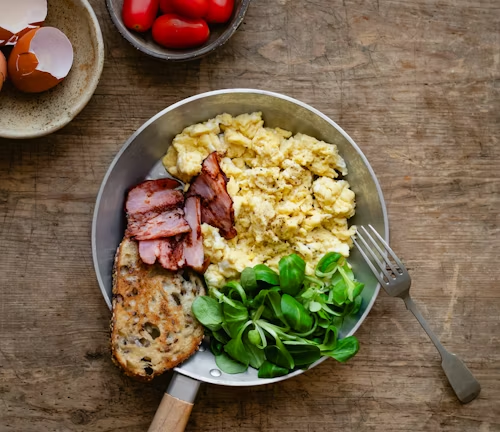
Pingback: Protein Breakfast Plan: 7 Proven Warning Ways to Help You