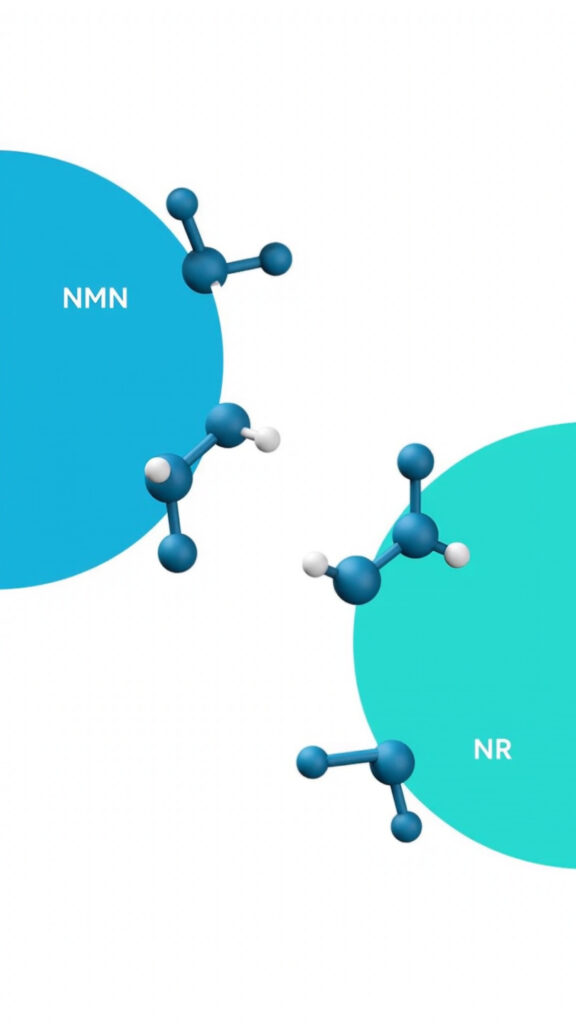
NMN and NR are two of the most talked-about NAD+ precursor supplements in the healthy aging space. NAD+ (nicotinamide adenine dinucleotide) is essential for cellular energy production and DNA repair, and research indicates that NAD+ levels decline with age. Both NMN (nicotinamide mononucleotide) and NR (nicotinamide riboside) are marketed as ways to help support the body’s NAD+ levels, but they differ in how they’re absorbed, how much research backs them, and their regulatory status.
Sources
About the Author
This article was written by Muhammad Adil, founder of The Health Writes. Muhammad is not a medical professional. Before publishing, he researches each topic using publicly available guidance from agencies like the CDC, FDA, and NIH, along with peer-reviewed studies, and cites sources above so you can verify the information yourself, then reviews each piece for accuracy before it goes live. Learn more on our About Us page, or reach out through our Contact page if you spot an error.
Medical Disclaimer: This article is for informational purposes only. NMN and NR are not FDA-approved to treat, cure, or prevent any disease. Talk to your doctor before starting any new supplement, especially if you are pregnant, have a medical condition, or take prescription medications.
What Are NMN and NR?
NAD+ is a coenzyme every cell needs for energy production and DNA repair, and levels are understood to decline with age. NMN (nicotinamide mononucleotide) and NR (nicotinamide riboside) are both precursor molecules the body can convert into NAD+, but they take slightly different metabolic paths to get there. NR is a smaller molecule that’s absorbed somewhat more directly, while NMN typically needs to be converted before your cells can use it, though both are ultimately used to support NAD+ production.
NMN vs. NR: Key Differences to Consider
1. Absorption
NR is generally considered to be absorbed a bit more efficiently than NMN, since it requires fewer conversion steps to raise NAD+ levels in the body. Some research suggests NMN may rely on specific transporters to enter cells, which is an active area of ongoing study.
2. Research and Safety Data
NR has been studied in more published human clinical trials than NMN and has GRAS (Generally Recognized as Safe) status with the FDA. NMN has a smaller but growing body of human research. Neither compound is FDA-approved to treat any medical condition, so it’s worth discussing the current evidence with your doctor before starting either one.
3. Cost
NR supplements (often sold under the brand name Niagen) tend to run somewhat less expensive per month than NMN products, though prices vary widely by brand, dose, and formulation. Typical daily doses studied are in the range of a few hundred milligrams for either compound, but you should follow label directions and your doctor’s guidance.
4. Side Effects
Both are generally considered well tolerated by healthy adults at studied doses. Some people report mild digestive upset or nausea with NR, particularly on an empty stomach, while NMN has been associated with occasional flushing or stomach discomfort in some users. Starting with a lower dose and taking it with food may help reduce these effects.
5. Potential Focus Areas
Early research on NMN has explored potential benefits for muscle function and metabolic health, while some NR studies have looked at effects on cognitive and neurological markers. This research area is still evolving, and results in animal studies don’t always translate directly to humans, so these should be viewed as areas of ongoing investigation rather than settled conclusions.
6. Legal and Regulatory Status
NR has FDA GRAS status and is widely sold as a dietary supplement. NMN’s regulatory status in the US has shifted in recent years and has been the subject of ongoing FDA review, so availability and labeling can vary by brand. Buying from an established, third-party-tested US brand is worth prioritizing regardless of which one you choose.
7. Diet and Lifestyle Still Matter Most
Neither supplement replaces the fundamentals. Foods like fish, dairy, and mushrooms naturally contain NAD+ precursors, and regular exercise has also been shown to support the body’s NAD+ pathways. Supplements may be a helpful addition for some people, but they work best alongside — not instead of — a healthy diet and consistent physical activity.
Which One Should You Choose?
There’s no single right answer, since the research on both compounds is still developing. NR currently has more published safety data and FDA GRAS status, which may make it a reasonable starting point for some people. NMN may be worth considering if you’ve found a reputable, well-tested brand and are interested in its specific area of research. Either way, starting with a lower dose, monitoring how you feel, and looping in your doctor is the safest approach.
The Bottom Line
NMN and NR are both NAD+ precursors being studied for their role in healthy aging, but the research is still evolving and neither is FDA-approved to treat any condition. Talk to your doctor, choose a reputable brand, and pay attention to how your body responds before making either one a regular part of your routine.
Medical Source: For official supplement information, see the NIH Office of Dietary Supplements.
This article is for informational purposes only and does not constitute medical advice. Always consult a qualified healthcare professional before starting any new supplement.

Pingback: 5 Best NAD+ Boosting Foods to Support Cellular Energy After 40: Science Guide - The Health Writes
Pingback: NMN Supplement: 7 Urgent and Safe Benefits for Healthy Aging