
Belly Fat at Night: Why Bedtime Snacks Matter (Plus 7 Foods Worth Trying)
Can eating the right food before bed actually support belly fat loss while you sleep? To some extent, yes. Your body doesn’t stop working at night: your metabolism spends those 7 to 8 hours repairing muscle, balancing hormones, and burning calories.
Trouble tends to start when insulin spikes right before bed, which is where food choice matters.
The secret isn’t eating less, it’s eating smarter. Foods like ice cream or chips spike insulin and encourage fat storage, while the right foods keep insulin steady, support growth hormone, and may help your body tap into fat for fuel overnight.
You won’t wake up ten pounds lighter, but many people notice less bloating, a flatter-feeling stomach, and steadier results over time when they make smarter choices before bed.
This article is for informational purposes only and isn’t medical advice. If you have diabetes, acid reflux, or a sleep disorder, talk to your doctor before changing what you eat before bed.
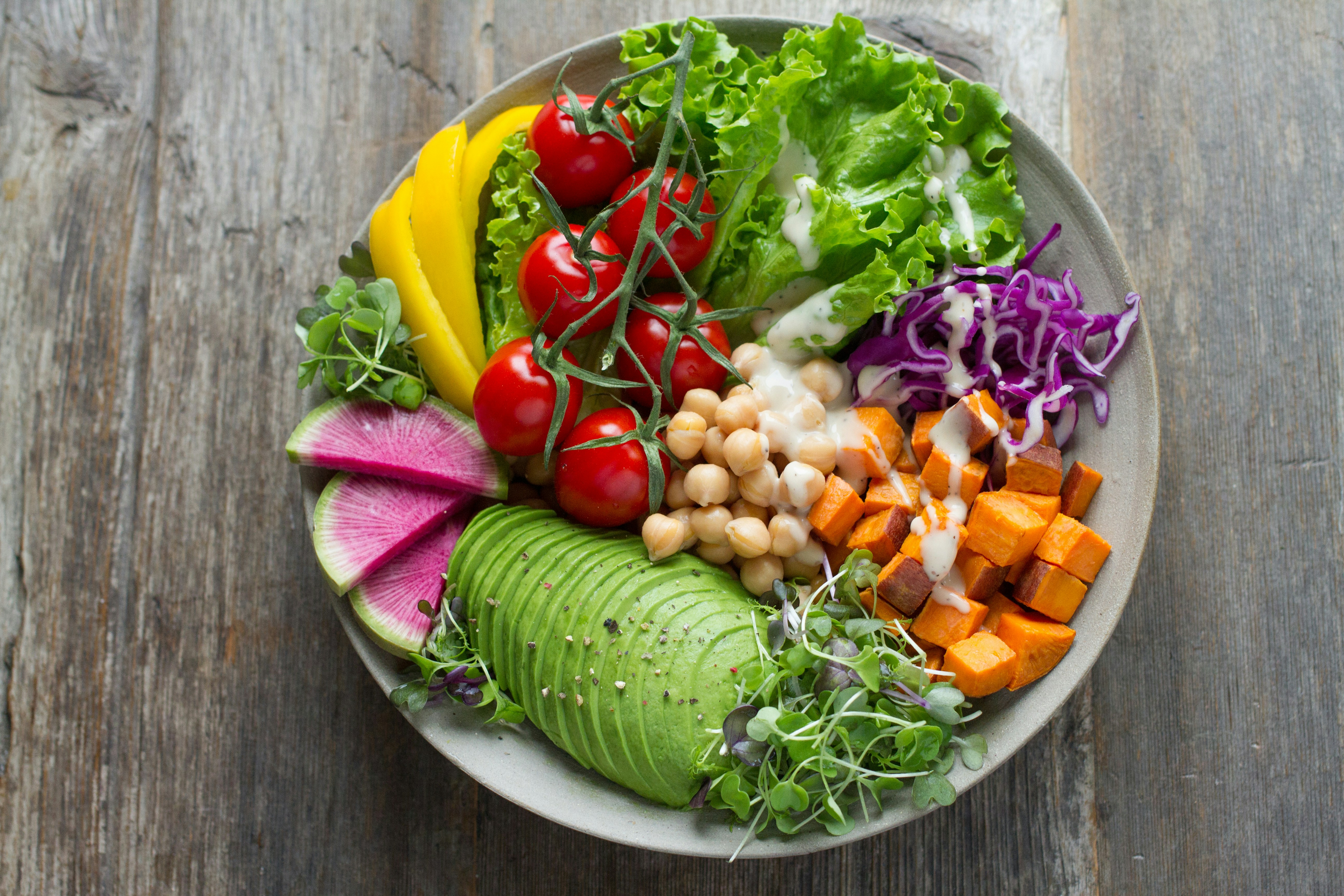
Why Nighttime Snacks Matter for Belly Fat
A lot of people assume “don’t eat after 8 p.m.” is the rule, but that’s not quite right. It’s less about the clock and more about total calories and food type.
Belly fat tends to get worse when cortisol is elevated, and protein-based snacks can help keep it in check.
Going to bed hungry can set off a chain reaction: blood sugar crashes overnight, cortisol spikes to compensate, and elevated cortisol signals your body to hold onto belly fat.
A protein-based bedtime snack helps keep blood sugar steady and cortisol lower, which can help your body stay in fat-burning mode instead of fat-storage mode overnight.
7 Bedtime Foods Worth Trying
1. Cottage Cheese
Cottage cheese is rich in casein, a protein that digests slowly over 6 to 8 hours. Research suggests casein before bed may support overnight muscle repair and metabolism.
How to use it: Eat about half a cup of low-fat cottage cheese 30 minutes before bed, and add a sprinkle of cinnamon, which may help keep blood sugar steady through the night.
2. Greek Yogurt with Chia Seeds
Greek yogurt brings protein and probiotics, while chia seeds add fiber. Together, they feed healthy gut bacteria and may help reduce overnight bloating.
How to use it: Mix 3/4 cup plain Greek yogurt with a tablespoon of chia seeds and a few berries, and eat it about an hour before bed.
3. Almonds
Almonds provide magnesium and healthy fat, and magnesium plays a role in keeping cortisol in check. Many adults fall short on magnesium, which may contribute to added belly fat over time.
Almonds may also help take the edge off nighttime cravings, since magnesium has a calming effect on the nervous system.
How to use it: Stick to about 10 to 12 almonds before bed (roughly 100 calories) for a calming snack that supports deeper sleep.
4. Turkey Slices
Turkey contains tryptophan and protein, and tryptophan helps your body produce melatonin. Better sleep, in turn, is linked to lower cortisol and less belly fat.
How to use it: Eat 2 to 3 slices of lean turkey breast with some cucumber, skipping the bread, so you get protein without extra carbs and keep insulin low overnight.
5. Casein Protein Shake
Casein is considered one of the best proteins for overnight support. Research suggests it may help support fat loss while preserving muscle, and muscle burns more calories than fat even at rest.
How to use it: Mix one scoop of a third-party tested casein protein with water and drink it about 30 minutes before bed to feed your muscles overnight and keep your metabolism active.
6. Chamomile Tea with Collagen
Chamomile has a calming effect that may ease anxiety, and collagen contains glycine, an amino acid that may help lower core body temperature and support deeper sleep.
How to use it: Steep chamomile tea for about 5 minutes, stir in a scoop of collagen peptides, and drink it about an hour before bed.
7. Kiwi
Kiwi contains serotonin and antioxidants, and some research suggests eating kiwi before bed may help you fall asleep faster. Better sleep tends to go hand in hand with lower cortisol.
How to use it: Eat two kiwis, skin included for extra fiber, about an hour before bed to support digestion and deeper sleep.
3 Foods to Avoid at Night
These tend to spike insulin and cortisol, working against your goals rather than for them.
Ice cream: The combination of sugar and fat is a tough one, spiking blood sugar and then crashing it overnight, which triggers a cortisol response and encourages fat storage.
Chips: The refined carbs and seed oils in most chips can contribute to inflammation, which raises cortisol and makes it harder to let go of belly fat. Almonds are a better swap.
Alcohol: Even a single glass of wine can disrupt deep sleep for several hours and keep cortisol elevated for up to a day. Skipping it for a couple of weeks can help reset things.
When to Talk to Your Doctor
Natural food swaps work well for most people, but check in with your doctor if you gain 20 or more pounds in three months without any diet changes, have severe acid reflux or heartburn at night, or have sleep apnea or stop breathing during sleep.
These can point to thyroid issues or an underlying sleep disorder, and bloodwork can help your doctor check your hormones.
The Bottom Line
Belly fat at night is closely tied to blood sugar crashes and elevated cortisol, and the good news is you don’t need to starve yourself before bed to address it.
Try protein-rich options like cottage cheese or a casein shake, add magnesium-rich almonds, or wind down with chamomile tea and kiwi. Steer clear of sugar, chips, and alcohol in the evening. Many people notice less bloating within a week or two.
Next step: Nighttime cortisol and belly fat are closely linked, so our guide on managing cortisol belly pairs well with this one.
Source: For more information, see the National Institute of Diabetes and Digestive and Kidney Diseases on weight management.
This article is for educational purposes only and isn’t a substitute for medical advice. Weight management results vary, so it’s always a good idea to talk with your doctor before changing your diet.
Sources
About the Author
This article was written by Muhammad Adil, founder of The Health Writes. Muhammad is not a medical professional. Before publishing, he researches each topic using publicly available guidance from agencies like the CDC, FDA, and NIH, along with peer-reviewed studies, and cites sources above so you can verify the information yourself, then reviews each piece for accuracy before it goes live. Learn more on our About Us page, or reach out through our Contact page if you spot an error.
Medical Disclaimer: This article is for informational purposes only and is not intended as medical advice. It should not be used to diagnose, treat, cure, or prevent any disease or health condition. Always consult a licensed physician or qualified healthcare provider before starting any new supplement, dietary practice, or wellness routine, especially if you have an existing medical condition, are pregnant or nursing, or are taking prescription medications.

Pingback: Weight Loss Plan: 7 Proven Warning Ways to Help You
Pingback: Bedtime Drinks Plan: 7 Proven Warning Ways to Help You