Written by Muhammad Adil. This article summarizes publicly available guidance from the FDA, CDC, and Medicare.gov, and is updated periodically as availability and coverage rules change.
Key Takeaways
- Ozempic and other GLP-1 drugs have faced repeated supply shortages in recent years, and cash prices commonly run over $1,000 a month without insurance.
- Insurance and Medicare typically only cover these drugs when prescribed for an approved diagnosis, such as type 2 diabetes or, in some cases, cardiovascular risk reduction, rather than for weight loss alone.
- Legal, lower-cost options exist, including compounded medication from accredited pharmacies, older generic drugs, and manufacturer assistance programs.
- Exact prices and coverage vary by insurer, plan, and pharmacy, so always confirm current numbers directly with your provider rather than relying on any single source, including this article.
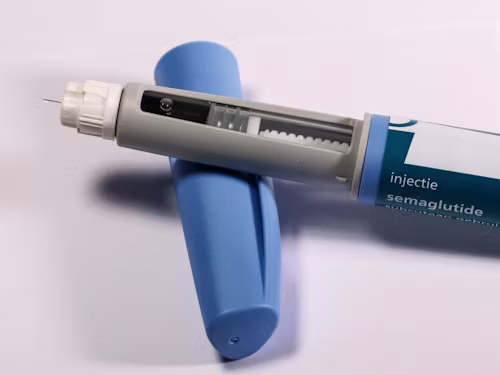
Across the USA, a familiar story keeps repeating: a doctor prescribes a GLP-1 drug, insurance denies coverage because the prescription is for weight loss rather than diabetes, and the cash price puts the medication out of reach. According to the FDA’s drug shortage database, semaglutide and tirzepatide products have been listed as in-shortage for extended stretches since 2022, and many pharmacists report ongoing “out of stock” situations and waitlists for new prescriptions.
Why These Drugs Keep Running Short
Demand for semaglutide and tirzepatide has grown far faster than manufacturing capacity, driven by both diabetes prescriptions and off-label weight-loss use. Manufacturers have opened new production facilities, but supply chain and manufacturing timelines for injectable drugs are long, and shortages have been resolved and re-triggered more than once. If you’re currently affected, the FDA’s shortage database is the most reliable place to check the latest status rather than relying on any fixed timeline.
What Medicare and Insurance Actually Cover
Medicare Part D and most private insurance plans generally cover GLP-1 drugs only when they’re prescribed for an approved indication, most often type 2 diabetes. Wegovy has also received coverage in some Medicare plans specifically for reducing cardiovascular risk in people with existing heart disease, but weight loss alone typically isn’t a covered indication. Coverage details vary by plan and can change, so the most reliable step is calling your specific plan or checking Medicare.gov directly rather than assuming a blanket rule applies everywhere.
Legal Ways to Lower Your Costs
None of these fully replace a prescription GLP-1 drug, but they’re legitimate options worth discussing with your doctor if cost or availability is a barrier.
- Compounded semaglutide from a licensed, PCAB-accredited pharmacy. This is only legal to sell while an official FDA shortage is in effect, and quality can vary between compounders, so verify accreditation before ordering.
- Metformin paired with lifestyle changes. It’s far cheaper than GLP-1 drugs and, for some people with insulin resistance, is associated with modest weight loss when combined with diet changes. It works differently and less dramatically than semaglutide, so expectations should be realistic.
- Older FDA-approved weight-loss drugs, like phentermine-topiramate. These have been available for years, are typically far cheaper, and can be a reasonable option for some patients, though they carry a different side-effect profile.
- Manufacturer patient assistance programs. Companies like Eli Lilly and Novo Nordisk run income-based savings and assistance programs for their GLP-1 drugs. Eligibility rules and pricing change, so check the manufacturer’s official site directly for current terms rather than a third-party summary.
- Telehealth and nutrition-coaching platforms. Some combine physician oversight, coaching, and medication (when appropriate) at a bundled monthly cost, which can be worth comparing to paying for a GLP-1 prescription alone.
FAQs
When will the Ozempic shortage end?
The FDA periodically updates its shortage database with resolution estimates, but these timelines have shifted before. Check FDA.gov directly for the current status rather than relying on a fixed date.
Can I buy Ozempic from Canada?
Commercial importation is not legal, though the FDA has historically allowed limited personal-use exceptions with a valid prescription. Many pharmacies still decline to fill these orders, so this isn’t a reliable workaround.
Does Medicare cover Wegovy?
Generally only when it’s prescribed for an approved indication such as cardiovascular risk reduction in someone with existing heart disease, not for weight loss alone. Coverage specifics depend on your plan, so confirm directly with Medicare or your plan provider.
Final Thoughts
The GLP-1 shortage highlights a real affordability gap: people who can pay cash out of pocket get faster access, while everyone else waits or looks for alternatives. That’s a legitimate frustration, and it’s worth raising with your doctor rather than assuming a single “hack” will solve it. If cost or availability is the main barrier for you, the metformin-and-lifestyle route and manufacturer assistance programs are usually the most accessible starting points to discuss at your next appointment.
Sources
About the Author
This article was written by Muhammad Adil, founder of The Health Writes. Muhammad is not a medical professional. Before publishing, he researches each topic using publicly available guidance from agencies like the CDC, FDA, and NIH, along with peer-reviewed studies, and cites sources above so you can verify the information yourself, then reviews each piece for accuracy before it goes live. Learn more on our About Us page, or reach out through our Contact page if you spot an error.
Medical Disclaimer: This article is for informational purposes only and is not a substitute for professional medical advice. Pricing, coverage rules, and drug availability change frequently — confirm current details with your doctor, pharmacist, or insurance provider. Consult a licensed healthcare provider before starting or stopping any treatment.


Pingback: Best Berberine Supplements in 2026: Reviewed & Ranked for Blood Sugar & Weight Loss - The Health Writes