If your social feed has been full of people doing squats while waiting for their coffee to brew, you’re not imagining things. Exercise snacking, the idea of fitting short bursts of movement into your day instead of one long workout, has quietly become one of the most talked-about fitness trends going into 2026. It sounds almost too simple to be effective, yet a growing body of research suggests these tiny movement breaks can add up to real, measurable benefits.
What Exactly Is Exercise Snacking?
Exercise snacking means breaking physical activity into short, frequent bursts, usually somewhere between thirty seconds and five minutes, spread throughout your day rather than saved for one gym session. Think a quick set of stair climbs between meetings, a few minutes of bodyweight squats while dinner cooks, or a brisk walk around the block during a phone call. Unlike a traditional workout, there’s no need to change clothes, warm up extensively, or block out an hour of your schedule.
The Science Behind Short Bursts of Movement
Researchers have been studying these activity snacks for several years, and the findings are encouraging. Short, repeated bouts of movement have been linked to improved blood sugar control, better cardiovascular health, and a noticeable lift in mood and energy throughout the day. Because these micro-sessions are easier to slot into a packed schedule, people also tend to stick with them longer than they stick with lengthy workout plans, and consistency is often what matters most for long-term health.
Why It’s Trending Right Now
Part of the appeal is timing. More people are working from home or juggling long, sedentary days at a desk, and traditional hour-long gym routines can feel out of reach. Exercise snacking offers a low-pressure entry point back into movement, especially for anyone who has felt discouraged by all-or-nothing fitness culture. It is also highly shareable online, since a short clip of someone doing lunges while brushing their teeth feels far more relatable than a polished gym session.
How to Start Your Own Exercise Snacking Routine
You don’t need equipment or a formal plan to begin. Here are a few easy ways people are working movement into ordinary moments of the day:
- Take the stairs twice instead of once when you have a few extra minutes
- Do a short set of squats or calf raises while waiting for the kettle to boil
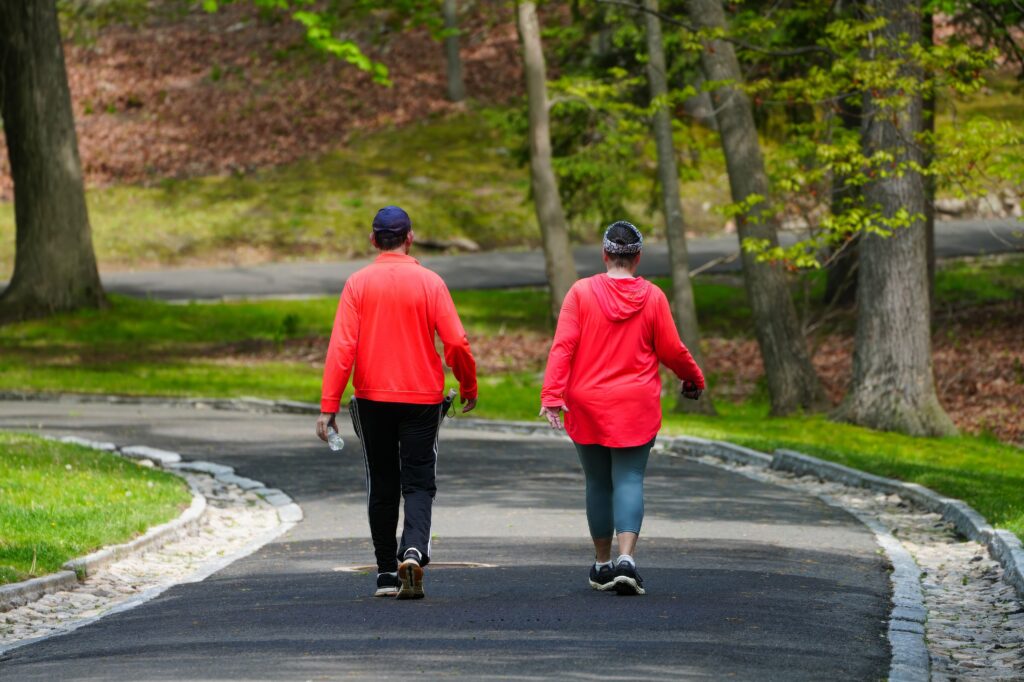
- Walk around the house or office during phone calls instead of sitting
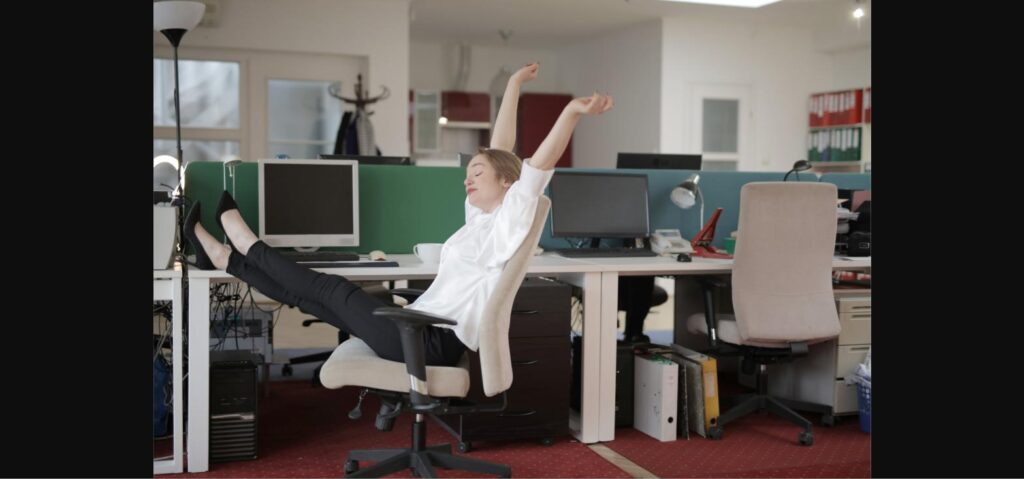
- Stretch for a couple of minutes every hour if you work at a desk
- Park a little farther away and turn the walk into a brisk one
Who Benefits Most
This approach tends to be especially helpful for beginners easing back into activity, people recovering from a break in their routine, and anyone with a schedule too unpredictable for fixed gym times. It can also complement structured exercise for people who already work out regularly, adding extra movement on days when a full session isn’t possible.
A Few Words of Caution
Exercise snacking is a wonderful way to add more movement to daily life, but it isn’t necessarily a full substitute for structured strength training or cardiovascular exercise, especially for people working toward specific fitness goals. Anyone with an existing health condition or injury should check with a healthcare provider before starting a new activity routine, and it’s worth listening to your body rather than pushing through discomfort.
The Bottom Line
Exercise snacking isn’t flashy, and it won’t replace your favorite workout class, but it’s a refreshingly realistic way to bring more movement into an over-scheduled life. Sometimes the best fitness trend is the one that doesn’t require a plan at all, just a few extra minutes, spread across the day, that quietly add up.
Sources
About the Author
This article was written by Muhammad Adil, founder of The Health Writes. Muhammad is not a medical professional. He researches each topic using publicly available guidance from agencies like the CDC, FDA, and NIH, and cites sources above so you can verify the information yourself. Learn more on our About Us page.
Medical Disclaimer: This article is for informational purposes only and is not intended as medical advice. It should not be used to diagnose, treat, cure, or prevent any disease or health condition. Always consult a licensed physician or qualified healthcare provider before starting any new supplement, dietary practice, or wellness routine, especially if you have an existing medical condition, are pregnant or nursing, or are taking prescription medications.