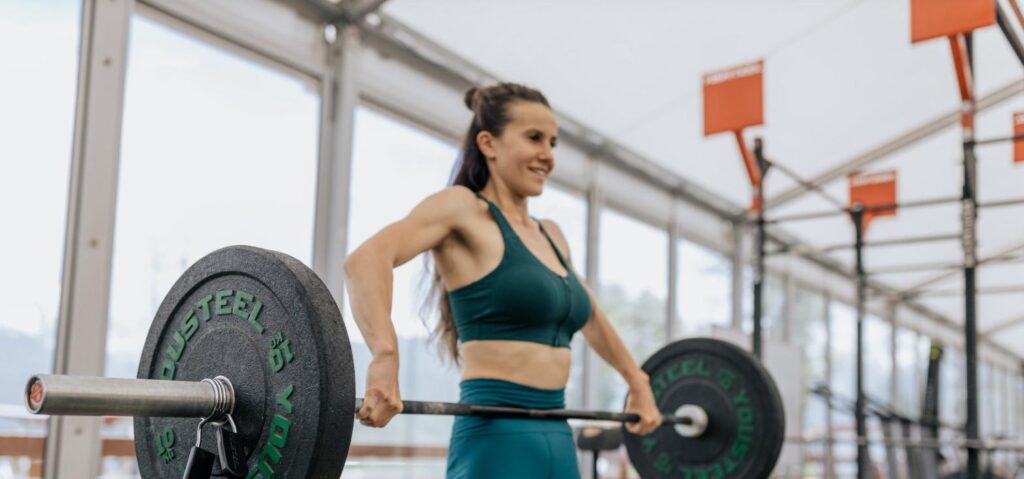
A few years ago, creatine was mostly seen as a guy-in-the-gym supplement, tucked next to protein tubs and pre-workout scoops. That has changed fast. Scroll through any wellness forum, fitness account, or women’s health podcast in 2026 and creatine keeps coming up, not just for lifting heavier, but for brain fog, bone strength, and how women feel during perimenopause. It has become one of the most talked-about supplements of the year, and unlike trends that fade after a few viral posts, this one is backed by decades of real research.
Why Creatine Suddenly Became a Women’s Fitness Trend
For a long time, creatine had a branding problem. It got lumped in with bulky bodybuilder supplements, and a lot of women skipped it out of fear of bloating or “getting too big.” That reputation never matched the research. Sports scientists have studied creatine for more than three decades, and most of that work shows it benefits women just as much as men, sometimes more, when it comes to strength and recovery. Once coaches, dietitians, and researchers started talking openly about that gap, women started paying attention, and the trend took off.
What Creatine Actually Does Inside Your Body
Creatine is a compound your body already makes in small amounts, mostly stored in muscle tissue with a small reserve in the brain. It helps regenerate ATP, the quick-burst energy molecule your cells rely on during short, intense effort, like sprinting up a flight of stairs or pushing through the last rep of a heavy set. Supplementing tops off those stores so muscles can produce energy faster during that kind of effort, which is why it is linked to better strength and power output over time rather than an instant transformation overnight.
The Benefits Beyond the Gym: Brain, Bone, and Hormonal Health
The gym benefits get most of the attention, but what has made creatine such a hot topic in women’s health circles is everything else it seems to touch.
Muscle Strength and Lean Mass
Consistent use alongside resistance training is associated with greater strength gains and better retention of lean muscle, which matters more as women age and naturally start losing muscle mass in their thirties and beyond.
Bone Density Support
Emerging research suggests creatine, when combined with strength training, may help support bone health, an area of real concern for women heading into and through menopause when bone density naturally declines.
Cognitive Function
Because the brain also relies on creatine for quick energy, some studies point to benefits for mental fatigue, memory, and focus, especially during periods of poor sleep or high stress.
Hormonal Transitions
Researchers have started exploring creatine’s role during perimenopause and menopause, when dropping estrogen levels can affect both muscle and bone health. It’s still a developing area of study, but early interest is strong.
How Much Creatine Should Women Actually Take
Most research settles around a daily dose of 3 to 5 grams of creatine monohydrate. That is the form with the most research behind it, and it is inexpensive compared to newer, fancier versions on supplement shelves. There is no need to overthink the brand. Creatine monohydrate is creatine monohydrate, so a simple, third-party-tested option works just as well as an expensive one with flashy packaging.
Timing, Loading Phases, and Common Myths
Some programs recommend a “loading phase,” higher doses for about a week to saturate muscles faster, followed by a smaller daily maintenance dose. It works, but it is not required. Taking a steady 3 to 5 grams daily gets you to the same saturation point within a few weeks, just a little slower. Timing around a workout does not seem to matter much either; what matters is consistency, since creatine builds up in your system over time rather than acting like a pre-workout stimulant. As for the biggest myth, that creatine makes women bulky, that simply is not how it works. Any early weight change is usually water retention inside the muscle cells, not fat gain, and it typically levels out within a couple of weeks.
Possible Side Effects and Who Should Be Careful
Creatine monohydrate has one of the longest safety records of any sports supplement, but it is not entirely without considerations. Some people notice mild stomach discomfort or bloating, usually from taking too much at once, which is easy to fix by splitting the dose or taking it with food. People with existing kidney conditions should talk to a doctor before adding it, since creatine changes how the kidneys process waste products, even though healthy kidneys handle it without issue. Pregnant or breastfeeding women should also check with a healthcare provider first, since research in those groups is still limited.
How to Add Creatine to Your Daily Routine
The easiest way to stick with creatine is to treat it like a habit rather than a workout supplement. Mixing it into morning coffee, a smoothie, or a glass of water works fine since it dissolves easily and has almost no taste. Pairing it with resistance training two or three times a week is where the biggest difference shows up, but even on rest days, keeping up the daily dose matters more than the timing.
Frequently Asked Questions
Does creatine cause hair loss?
This idea comes from a single older study that found a hormone linked to hair loss increased slightly in a small group of male athletes. It has never been directly tied to actual hair loss, and there is no solid evidence connecting creatine to hair thinning in women.
Can I take creatine on rest days?
Yes, and you should. Creatine works by keeping your muscle stores topped off over time, so taking it daily, including on rest days, matters more than timing it around a workout.
Is creatine safe to take long term?
Studies following people over several years have not found evidence of harm in healthy adults taking standard doses. As with any supplement, it is worth checking in with a doctor if you have an existing health condition.
The Bottom Line
Creatine is not a new discovery dressed up as a trend. It is a well-studied supplement finally getting recognized for benefits that go beyond the weight room. For women looking for one of the simpler, more affordable additions to their routine, it is hard to find something with as much research behind it and as few downsides. As with any supplement, pairing it with good sleep, consistent training, and a solid diet is what actually makes the difference. Creatine just helps you get a little more out of the effort you are already putting in.
Sources
About the Author
This article was written by Muhammad Adil, founder of The Health Writes. Muhammad is not a medical professional. He researches each topic using publicly available guidance from agencies like the CDC, FDA, and NIH, and cites sources above so you can verify the information yourself. Learn more on our About Us page.
Medical Disclaimer: This article is for informational purposes only and is not intended as medical advice. It should not be used to diagnose, treat, cure, or prevent any disease or health condition. Always consult a licensed physician or qualified healthcare provider before starting any new supplement, dietary practice, or wellness routine, especially if you have an existing medical condition, are pregnant or nursing, or are taking prescription medications.