If your social media feed has shown you someone sipping a pink drink labeled “cortisol cocktail” before bed, you’ve stumbled into one of 2026’s biggest wellness obsessions. The promise sounds appealing: mix coconut water, citrus, and a pinch of salt, and supposedly calm your stress hormones enough to sleep better, trim stubborn belly fat, and feel less wired all day. But how much of this is backed by real physiology, and how much is clever branding? Here’s a grounded look at what’s actually happening in your body, and where this trend earns its popularity honestly.
What Is a Cortisol Cocktail, Really?
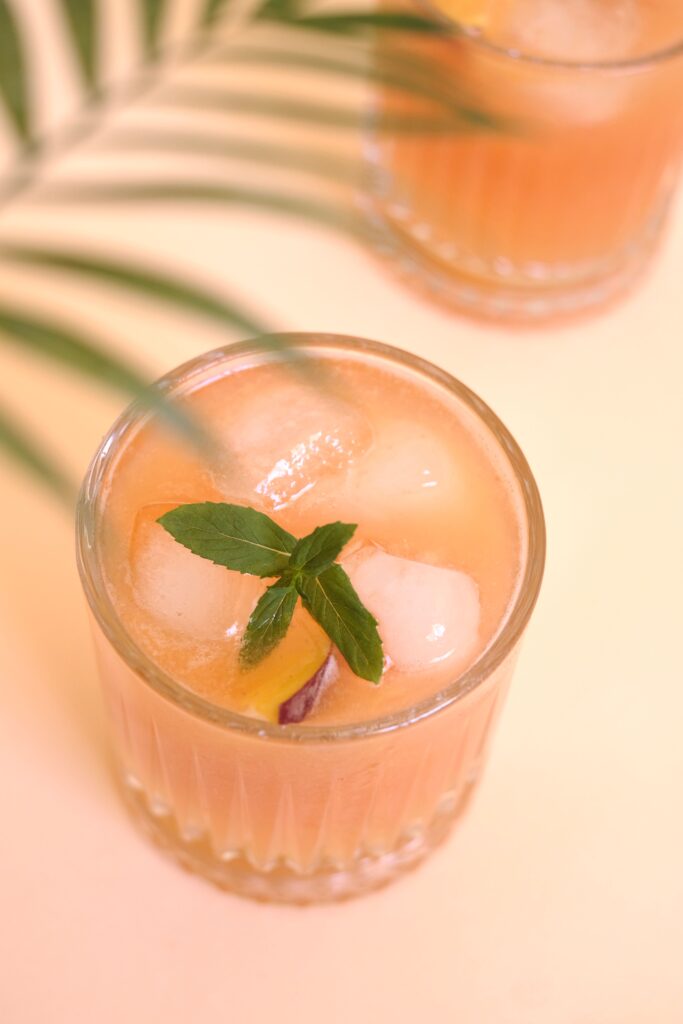
Despite the dramatic name, a cortisol cocktail is usually a simple mocktail: coconut water for potassium, orange or grapefruit juice for vitamin C, and a dash of sea salt for sodium. Some versions add cream of tartar for extra potassium. The idea, popularized by wellness creators, is that this combination replenishes electrolytes depleted during chronically stressful periods, theoretically easing the adrenal glands’ workload and calming the body’s stress response.
What the Science Actually Says About Cortisol Cocktails
Cortisol is a hormone released by your adrenal glands, and it’s far from the villain the wellness world sometimes makes it out to be. It helps regulate blood sugar, blood pressure, and your sleep-wake cycle, naturally peaking in the morning to help you wake up and gradually tapering through the day. Chronic stress can disrupt that rhythm, keeping cortisol elevated when it should be low, and this is genuinely linked to poor sleep, midsection weight gain, and fatigue. But no single drink lowers cortisol on demand. Hormone regulation is a slower process shaped by sleep, movement, diet, and stress management over weeks and months, not minutes.
What the Trend Gets Right
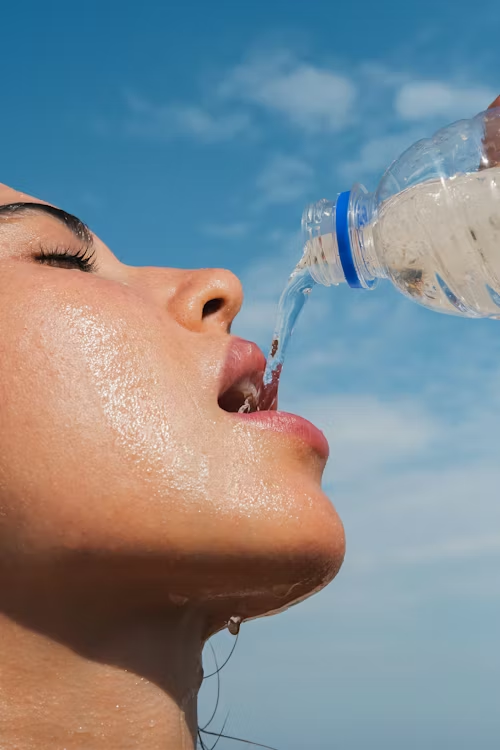
Give credit where it’s due. Electrolytes genuinely matter, especially if you’re active, drink a lot of coffee, or eat a low-sodium diet, and mild dehydration itself can raise cortisol levels. The ritual also has real value. Taking a few minutes to prepare and slowly sip something, away from a screen, before bed can function as a calming routine that signals to your nervous system that the day is winding down. That’s less about the ingredients and more about the pause it creates.
Where the Trend Falls Short
The bigger problem is marketing that implies a six-dollar mocktail can override months of poor sleep, chronic overtraining, or unmanaged stress. Cortisol cocktails aren’t going to meaningfully shift a hormone panel, and framing cortisol as something to “destroy” misunderstands its role entirely. Some versions of the trend also lean on added sugar or excess sodium, which isn’t ideal for everyone, particularly people managing blood pressure or blood sugar conditions. As with most viral wellness hacks, the drink gets the spotlight while the unglamorous basics, consistent sleep, regular movement, and stress management, get overlooked.
A More Balanced Approach to Managing Cortisol
If you want to genuinely support healthy cortisol rhythms, the evidence points to familiar habits: getting natural light exposure in the morning, keeping a consistent sleep schedule, moving your body regularly, limiting late-day caffeine, and building in real recovery time instead of pushing through constant stress. A mocktail can be a pleasant addition to that routine, but it works best as a small ritual within a bigger picture, not a shortcut around it.
The Bottom Line
Cortisol cocktails aren’t harmful for most healthy people, and the calming ritual of making one can genuinely help you wind down. Just keep expectations realistic: it’s a supporting habit, not a hormone-fixing miracle. If stress or sleep issues are seriously affecting your life, that’s worth addressing with a healthcare provider rather than a drink recipe from social media.
post: Sleep Optimization in 2026: A Practical, Science-Backed Guide to Deeper Rest
Sources
About the Author
This article was written by Muhammad Adil, founder of The Health Writes. Muhammad is not a medical professional. He researches each topic using publicly available guidance from agencies like the CDC, FDA, and NIH, and cites sources above so you can verify the information yourself. Learn more on our About Us page.
Medical Disclaimer: This article is for informational purposes only and is not intended as medical advice. It should not be used to diagnose, treat, cure, or prevent any disease or health condition. Always consult a licensed physician or qualified healthcare provider before starting any new supplement, dietary practice, or wellness routine, especially if you have an existing medical condition, are pregnant or nursing, or are taking prescription medications.