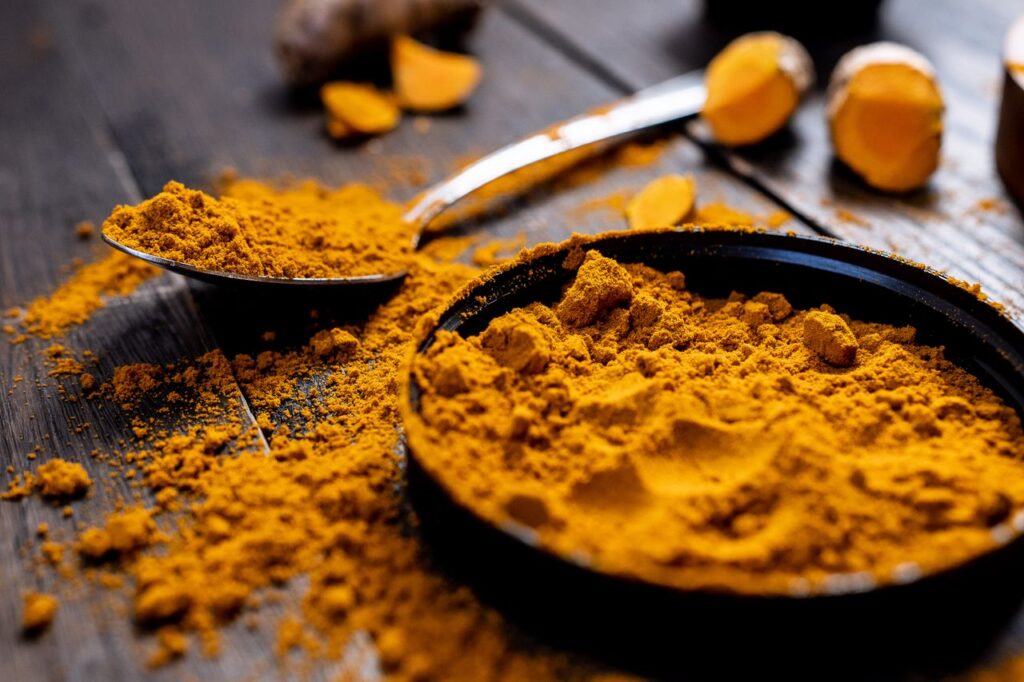
My grandmother kept a small tin of turmeric next to the stove for as long as I can remember, and it went into everything from scrambled eggs to a glass of warm milk whenever one of us kids complained about a sore throat or achy knees. I rolled my eyes at “grandma’s yellow cure-all” for most of my twenties. Then my own knees started acting up after a few too many years of desk work and half-hearted gym visits, and I finally got curious enough to actually read the research instead of dismissing it as an old family habit. What I found surprised me: turmeric isn’t a miracle, but it’s one of the few kitchen spices with real clinical research behind it, and there’s a very specific reason a lot of people try it and feel like “nothing happened.”
Why Turmeric Isn’t Just Another Spice
Turmeric is a root in the ginger family, and nearly everything studied about its health effects comes down to curcumin, the compound behind its deep orange-yellow color. Here’s the part that took me embarrassingly long to learn: plain turmeric powder is only about 2 to 5% curcumin by weight, and curcumin doesn’t absorb into your bloodstream very well on its own. That single fact explains why I spent months sprinkling turmeric on rice and roasted vegetables and noticed basically nothing, while the clinical trials that report real effects almost always use concentrated, better-absorbed curcumin extracts.
What the Research Actually Backs Up
Once I stopped reading wellness infographics and started reading the actual studies, a few benefits held up better than others.
Easing Everyday Inflammation
Curcumin is one of the more well-studied natural compounds for its effect on inflammatory markers. Several clinical trials have found that concentrated curcumin supplements modestly lower markers like CRP (C-reactive protein), which your body produces during inflammation. It won’t replace anti-inflammatory medication, but for the low-grade inflammation tied to diet and lifestyle, it’s one of the more credible natural options out there.
Joint Comfort, Turmeric’s Best-Studied Use
This is the one that actually got my attention, given my own knee complaints. Multiple randomized trials in people with mild to moderate osteoarthritis have compared curcumin extracts directly to ibuprofen and found comparable improvements in pain and stiffness over several weeks, with fewer reported digestive side effects. I noticed a gradual difference myself after about three weeks of consistent use, not the following morning, which lines up with how these trials are typically designed.
Gut Support (Still Developing Research)
Turmeric has a long history in Ayurvedic and traditional Asian cooking specifically because it seemed to settle the stomach. Modern research is starting to back this up, with some studies suggesting curcumin may support the gut lining and interact favorably with gut bacteria. The evidence here is promising but not settled, so I treat it as a nice bonus rather than a reason on its own to take turmeric.
Antioxidant Activity and a Possible, Modest Assist for Heart Health
Curcumin neutralizes free radicals directly and appears to boost your body’s own antioxidant enzyme activity, a well-documented mechanism even if it doesn’t guarantee one specific outcome. Some smaller studies have also linked curcumin to modest improvements in blood vessel function and certain cholesterol markers. I don’t think of this as a reason to skip cardio or my cholesterol medication, more like a small bonus stacked on top of the basics that actually matter.
The Detail That Actually Changed Things For Me: Absorption
Curcumin is fat-soluble and gets broken down quickly by the liver, so a lot of what you eat or swallow never reaches your bloodstream in a meaningful amount. Two things reliably improve that, and both were news to me at the time:
- Black pepper (piperine). Piperine has been shown in research to significantly increase curcumin absorption, which is why most decent turmeric supplements list black pepper extract on the label. I check for this now before buying anything.
- Fat. Because curcumin is fat-soluble, taking it with a source of fat, cooking it into olive oil-based dishes or mixing it into whole milk or coconut milk, helps your body absorb noticeably more of it than taking it with water alone.
What My Routine Actually Looks Like
Nothing fancy, and that’s kind of the point:
- Golden milk most nights. Warm whole milk or oat milk with a half teaspoon of turmeric, a pinch of black pepper, and a little cinnamon or honey. It’s become an actual evening habit, not a chore.
- Roasted vegetables a few times a week. Cauliflower, sweet potatoes, or chickpeas tossed in olive oil, turmeric, and black pepper before roasting, an easy way to get the fat and piperine combo without thinking about it.
- A quarter teaspoon in smoothies. Blends in fine with banana or mango and doesn’t overpower the flavor.
- A standardized supplement when my knees are being difficult. I look for a curcumin extract with a stated curcuminoid percentage and black pepper extract added, and I take it with food, since I learned the hard way that curcumin on an empty stomach gave me heartburn.
Turmeric Side Effects and Who Should Be Careful
Turmeric used in normal cooking amounts is considered safe for most people, but concentrated curcumin supplements are a different story. Worth approaching carefully, or checking with your doctor first, if:
- You take blood thinners like warfarin, since curcumin may have a mild blood-thinning effect of its own.
- You have gallbladder issues, since turmeric stimulates bile production and can worsen gallstone symptoms.
- You’re pregnant or nursing, since high-dose supplement research in this group is limited.
- You have upcoming surgery, since it’s generally recommended to stop curcumin supplements a couple of weeks beforehand due to the blood-thinning effect.
Frequently Asked Questions
How much turmeric should I take per day?
There’s no single official U.S. dosing guideline for turmeric as a supplement. Many clinical studies on curcumin extracts have used doses in the 500 to 1,000 mg per day range, taken with food, but this varies by product and purpose. Kitchen turmeric used in cooking is a much smaller amount and is generally considered safe as part of a normal diet.
Is cooking with turmeric as effective as taking a supplement?
Not really, in my experience or in the research. Most of the clinical studies showing measurable effects on inflammation or joint comfort used concentrated, standardized curcumin extracts, often with black pepper added for absorption. Cooking with turmeric is still a healthy habit worth keeping, but it’s not equivalent to a therapeutic supplement dose.
Can turmeric interact with my medications?
It can, most notably with blood thinners and some diabetes medications, where curcumin may amplify the effect. If you take prescription medication regularly, mention any turmeric supplement to your doctor or pharmacist, the same way you would with any other supplement.
The Bottom Line
My grandmother didn’t know the word “curcuminoid,” but she wasn’t wrong to reach for that tin by the stove. Turmeric isn’t a cure-all, and I’m skeptical of anyone who says otherwise, but it’s one of the few kitchen spices with genuine clinical research behind it, especially for joint comfort and everyday inflammation. The difference between feeling like it “did nothing” and actually noticing something usually comes down to absorption, not how much turmeric you’re using. Pair it with black pepper and a bit of fat, give it a few consistent weeks rather than a few days, and check with your doctor first if you’re on medication or managing a health condition.
Have you tried turmeric for anything specific? I’d genuinely like to hear what worked, or didn’t, for you in the comments, and feel free to browse our other natural health guides for more tips like this.
Sources
About the Author
This article was written by Muhammad Adil, founder of The Health Writes. Muhammad is not a medical professional. He researches each topic using publicly available guidance from agencies like the CDC, FDA, and NIH, and cites sources above so you can verify the information yourself. Learn more on our About Us page.
Medical Disclaimer: This article is for informational purposes only and is not a substitute for professional medical advice, diagnosis, or treatment. Always talk to a licensed healthcare provider before starting any new supplement, especially if you take medication, are pregnant or nursing, or have an existing health condition.