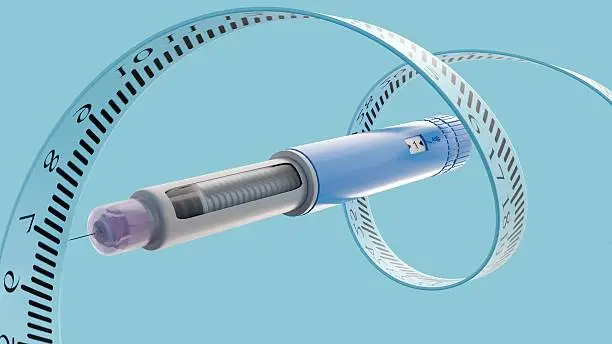
Search “boost GLP-1 naturally” and you’ll find dozens of lists repeating the same ten tips: eat fiber, eat protein, walk after meals, sleep well. Those tips aren’t wrong, but they’re rarely ranked by how strong the actual evidence is. Some of them are backed by solid human trials. Others are backed by a handful of small studies, animal research, or reasonable-sounding theory that hasn’t been tested much in people yet. Here’s an honest breakdown of where the science actually stands, tier by tier.
Strong Evidence: Backed by Multiple Human Trials
Protein at meals. Multiple controlled studies show protein intake triggers a measurable GLP-1 response within minutes, and the effect is consistent enough that dietitians rely on it as a first-line recommendation for appetite control.
Soluble fiber. Fiber fermentation producing short-chain fatty acids that stimulate GLP-1-secreting gut cells is one of the more replicated findings in this space, backed by both mechanistic studies and real-world dietary trials.
Sleep quality. Sleep-restriction studies consistently show that even a single short night measurably lowers next-day GLP-1 and raises ghrelin. This is one of the more robust findings, likely because sleep labs make it relatively easy to test.
Moderate Evidence: Promising, But Smaller or Mixed Studies
Post-meal walking. Several small trials show a short walk after eating improves post-meal blood sugar and is associated with better hormonal response, but sample sizes are modest and results vary by fitness level and meal composition.
Fermented foods. The gut-microbiome link to GLP-1 secretion is real and actively studied, but most of the direct evidence connecting specific fermented foods to a measurable GLP-1 change in humans is still preliminary rather than settled.
Time-restricted eating. Some trials show improved GLP-1 signaling with a consistent eating window, but results are inconsistent across studies, and much of the benefit may come from reduced late-night snacking rather than fasting itself.
Early or Weak Evidence: Plausible, But Thin Human Data
Resistant starch. The cooled-then-reheated rice or potato trick is a real chemical phenomenon, but most of the supporting research measures gut fermentation byproducts rather than GLP-1 levels directly in humans, so the appetite benefit is more inferred than proven.
Specific fats like olive oil. Oleic acid activating intestinal GLP-1 receptors is well documented in animal and cell studies, but large human trials isolating this single effect from the rest of a Mediterranean-style diet are limited.
Stress management. Chronic stress and cortisol clearly disrupt eating behavior and hormone balance in general, but direct evidence tying a specific relaxation technique to a measurable GLP-1 change is thin. That doesn’t make stress management pointless, it just means the GLP-1 connection specifically is more theoretical than proven.
Why the Tier Matters More Than the To-Do List
None of this means the weaker-evidence habits aren’t worth doing. Most of them are just generally healthy regardless of their GLP-1 effect. But if you only have the energy to focus on one or two changes, the research suggests prioritizing protein intake, fiber, and sleep first, since those have the most consistent human data behind them, before spending money or effort chasing less-proven tactics.
For a practical, day-to-day checklist covering all of these habits together, see our companion guide on supporting your GLP-1 levels day to day. This article is meant to answer a different question: not what to do, but how confident the science actually is that it works.
Frequently Asked Questions
Is any single habit as powerful as a GLP-1 medication? No. Even the strongest-evidence habits here produce a fraction of the hormonal effect of prescription GLP-1 drugs. They support your body’s own signaling rather than replacing it.
Should I stop doing the “weak evidence” habits? Not necessarily. Most are low-risk and generally healthy. The tiers reflect how well-studied the GLP-1 connection is specifically, not whether the habit is good for you overall.
Where can I check this research myself? Look for the underlying studies on PubMed or through your doctor, and be skeptical of any single article, including this one, that presents preliminary findings as settled fact.
This article is for informational purposes only and is not a substitute for professional medical advice. Always speak with a qualified healthcare professional before making changes to your diet, exercise routine, or health plan.
Sources
About the Author
This article was written by Muhammad Adil, founder of The Health Writes. Muhammad is not a medical professional. Before publishing, he researches each topic using publicly available guidance from agencies like the CDC, FDA, and NIH, along with peer-reviewed studies, and cites sources above so you can verify the information yourself, then reviews each piece for accuracy before it goes live. Learn more on our About Us page, or reach out through our Contact page if you spot an error.
Medical Disclaimer: This article is for informational purposes only and is not intended as medical advice. It should not be used to diagnose, treat, cure, or prevent any disease or health condition. Always consult a licensed physician or qualified healthcare provider before starting any new supplement, dietary practice, or wellness routine, especially if you have an existing medical condition, are pregnant or nursing, or are taking prescription medications.