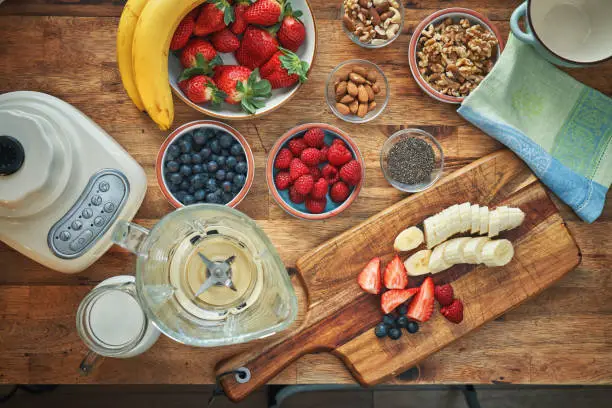
Smoothies get pitched as a weight loss shortcut constantly, but the truth is more nuanced. The right combination of ingredients can genuinely support steady energy and appetite control, while the wrong combination is basically a milkshake in disguise.
What Makes a Smoothie Actually Support Weight Loss
A smoothie built for weight loss and energy needs three things: enough protein to curb hunger, fiber to slow digestion, and a modest amount of natural sugar rather than a pile of fruit juice and honey stacked on top of each other.
Five Breakfast Smoothie Combinations
Green Protein Smoothie
Spinach, a frozen banana, a scoop of protein powder, and unsweetened almond milk blend into a smoothie that’s filling without tasting overly “green.”
Berry Greek Yogurt Smoothie
Mixed berries, plain Greek yogurt, and a splash of milk provide protein and antioxidants with a naturally sweet, tart flavor.
Peanut Butter Oat Smoothie
Rolled oats, a spoonful of peanut butter, banana, and milk create a thicker, more filling smoothie that holds you over closer to lunch.
Avocado Cocoa Smoothie
Avocado adds creaminess and healthy fats, while a spoonful of cocoa powder and a touch of maple syrup keep it tasting more like dessert than diet food.
Tropical Chia Smoothie
Pineapple, mango, chia seeds, and coconut water combine for a lighter, tropical-tasting option that still includes fiber from the chia.
Common Smoothie Mistakes That Undo the Benefits
Relying heavily on fruit juice instead of whole fruit, skipping protein entirely, or treating a smoothie as an extra snack rather than a meal replacement are the most common ways a “healthy” smoothie ends up working against weight goals.
Portioning for Real Results
A smoothie meant to replace breakfast should be substantial enough to keep you satisfied for three to four hours. If you’re hungry again within an hour, it likely needs more protein or fiber, not more fruit.
How Much Protein and Fiber a Weight-Loss Smoothie Actually Needs
As a general target, aim for roughly 20 to 30 grams of protein and at least 5 grams of fiber per smoothie if the goal is appetite control through the morning. A single scoop of protein powder typically supplies 20 to 25 grams, while a tablespoon of chia or flax seeds adds close to 5 grams of fiber along with healthy fats. Greek yogurt or cottage cheese are useful whole-food alternatives if you’d rather skip powdered protein altogether.
Liquid choice matters too. Unsweetened almond milk, regular milk, or plain water keep added sugar in check, while flavored plant milks and juice blends can quietly add 15 to 20 grams of sugar before any fruit is even added.
Meal-Prepping Smoothies for Busy Mornings
One of the easiest ways to stick with healthy smoothies long-term is prepping freezer bags in advance. Portion out the fruit, greens, and any seeds into individual freezer bags, then simply add liquid and protein powder and blend each morning. This cuts prep time down to about a minute and removes the temptation to skip breakfast or grab something less balanced when mornings get rushed.
Most prepped smoothie bags keep well in the freezer for up to three months, making a Sunday prep session enough to cover an entire work week.
Frequently Asked Questions
Is it better to eat whole fruit instead of blending it?
Blending doesn’t remove fiber the way juicing does, so a smoothie made with whole fruit still retains most of its nutritional value. That said, blending does break down cell walls, which can make sugars digest slightly faster than eating the fruit whole — another reason pairing fruit with protein and fat helps slow that down.
Can smoothies replace a full breakfast long-term?
A well-balanced smoothie with protein, fiber, and healthy fat can absolutely function as a complete breakfast. The key is making sure it’s substantial enough in volume and macronutrients to keep you satisfied until your next meal, rather than a thin, mostly-fruit blend that leaves you hungry again within the hour.
The Bottom Line
Breakfast smoothies can genuinely support weight loss and steady energy when they’re built around protein and fiber rather than fruit and sweeteners alone. Treat the recipes above as a starting template, then adjust the ratios based on how full and energized you feel afterward.
Sources
About the Author
This article was written by Muhammad Adil, founder of The Health Writes. Muhammad is not a medical professional. Before publishing, he researches each topic using publicly available guidance from agencies like the CDC, FDA, and NIH, along with peer-reviewed studies, and cites sources above so you can verify the information yourself, then reviews each piece for accuracy before it goes live. Learn more on our About Us page, or reach out through our Contact page if you spot an error.
Medical Disclaimer: This article is for informational purposes only and is not intended as medical advice. It should not be used to diagnose, treat, cure, or prevent any disease or health condition. Always consult a licensed physician or qualified healthcare provider before starting any new supplement, dietary practice, or wellness routine, especially if you have an existing medical condition, are pregnant or nursing, or are taking prescription medications.