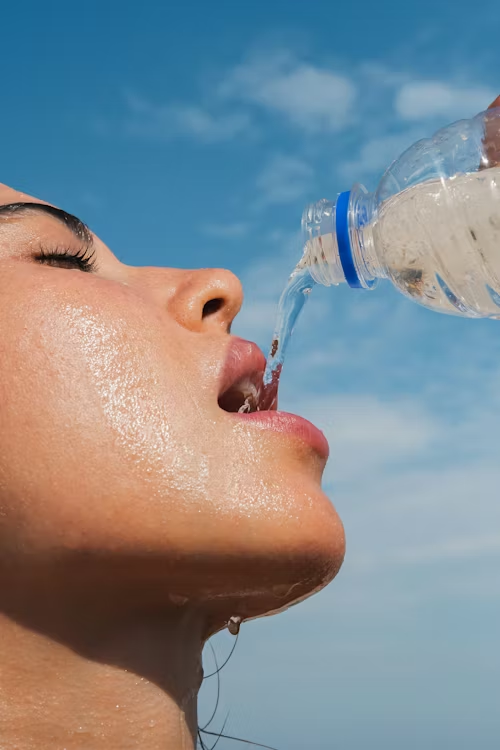
By the time thirst kicks in, your body is often already running on a fluid deficit. Dehydration shows up in subtler ways first, and most of them are easy to brush off as tiredness, stress, or just having an off day.
Why Thirst Isn’t a Reliable Early Warning Sign
Mild, chronic under-hydration doesn’t usually announce itself clearly. Instead, it tends to show up as low-grade symptoms that get blamed on other things: afternoon headaches chalked up to screen time or stress, snacking that’s actually mild dehydration disguised as hunger, and dry skin attributed to weather rather than fluid intake. Because the connection isn’t obvious, these small issues often go unaddressed for a long time.
Signs You Might Not Be Drinking Enough
- Dark yellow urine (pale straw color is generally the goal)
- Frequent headaches, especially in the afternoon
- Feeling tired or foggy despite adequate sleep
- Dry lips or skin that doesn’t improve with lotion
- Feeling hungry shortly after eating, when it may actually be thirst
How Much Water Do You Actually Need?
The old “eight glasses a day” rule is a reasonable starting point, but actual needs vary based on body size, activity level, climate, and diet. A commonly cited baseline is about half your body weight in ounces, so a 160-pound person might aim for roughly 80 ounces (about 10 cups) daily, more if they’re exercising or in a hot climate. People who eat a lot of water-rich foods like fruits, soups, and vegetables may need somewhat less from beverages alone, since food typically accounts for about a fifth of total water intake.
Who’s Most at Risk for Overlooked Dehydration
Some groups are more prone to under-recognized dehydration than others. Older adults have a naturally blunted thirst response, making them prone to gradual fluid deficits without ever feeling especially thirsty. Athletes and outdoor workers lose fluid quickly through sweat and can misjudge how much they need to replace, especially in humid conditions where sweat evaporates less visibly. People taking diuretics, certain blood pressure medications, or managing diabetes are also at higher risk, since these conditions or medications directly affect fluid balance. If you fall into one of these groups, it’s worth tracking fluid intake proactively rather than waiting for symptoms.
Rehydrating Effectively Once You Notice Symptoms
Plain water is sufficient for mild, everyday dehydration, but sipping steadily works better than chugging a large volume at once, which tends to pass through the body faster rather than being absorbed. If dehydration follows heavy sweating, illness, or heat exposure, an electrolyte drink can help replace lost sodium and potassium more effectively than water alone. Severe symptoms, such as confusion, a rapid heartbeat, or an inability to keep fluids down, warrant medical attention rather than home treatment.
Frequently Asked Questions
Can you drink too much water? Yes, though it’s uncommon in everyday life. Drinking extremely large volumes of water in a short period can dilute sodium levels in the blood, a condition called hyponatremia. This is mostly a concern for endurance athletes or people following extreme water-drinking challenges, not for someone steadily sipping water throughout a normal day.
Does coffee or tea count toward daily water intake? Caffeinated drinks do have a mild diuretic effect, but research suggests moderate coffee and tea consumption still contributes positively to overall daily fluid intake rather than causing net dehydration. Water is still the more reliable primary source, but your morning coffee isn’t working against you.
What color should urine be if I’m properly hydrated? A pale straw or light lemonade color generally indicates good hydration. Darker yellow suggests you need more fluids, while completely clear urine can sometimes mean you’re drinking more than your body needs.
This article is for informational purposes only and isn’t a substitute for medical advice. If you have a health condition that affects fluid balance, talk to your doctor about what’s right for you.
Sources
About the Author
This article was written by Muhammad Adil, founder of The Health Writes. Muhammad is not a medical professional. Before publishing, he researches each topic using publicly available guidance from agencies like the CDC, FDA, and NIH, along with peer-reviewed studies, and cites sources above so you can verify the information yourself, then reviews each piece for accuracy before it goes live. Learn more on our About Us page, or reach out through our Contact page if you spot an error.
Medical Disclaimer: This article is for informational purposes only and is not intended as medical advice. It should not be used to diagnose, treat, cure, or prevent any disease or health condition. Always consult a licensed physician or qualified healthcare provider before starting any new supplement, dietary practice, or wellness routine, especially if you have an existing medical condition, are pregnant or nursing, or are taking prescription medications.