
Menopause Weight Gain After 45: Why Your Hormones Are Behind It (Plus 7 Natural Ways to Help)
If your jeans don’t fit anymore even though you’re eating the same way you always have, it’s not a sign that you’ve lost willpower. For a lot of women, weight gain after 45 comes down to hormonal shifts that nobody really explains ahead of time.
During menopause, estrogen levels drop significantly, and that single change affects the body in a few different ways.
Lower estrogen is linked to a slower metabolism and a shift toward storing fat around the belly instead of the hips and thighs. It can also make hot flashes and night sweats worse, which disrupts sleep and raises cortisol.
Combine cortisol with lower estrogen, and you get a recipe for stronger sugar cravings and more belly fat storage. It’s common for women to gain noticeable weight during menopause, mostly around the midsection, and it isn’t just about diet and exercise the way it used to be.
The typical “eat less, move more” advice often falls short here. Some research even suggests that overly aggressive dieting after 45 can raise cortisol and make things harder rather than easier.
The good news is that a few targeted habits, focused on stabilizing blood sugar, supporting sleep, and managing cortisol, can make a real difference without extreme dieting. This isn’t about hormone replacement therapy or a specific diet plan, it’s about giving your body extra support during a time when your hormones are working against you.
This article is for educational purposes only and isn’t medical advice. Talk to your doctor before starting any new diet or supplement plan.
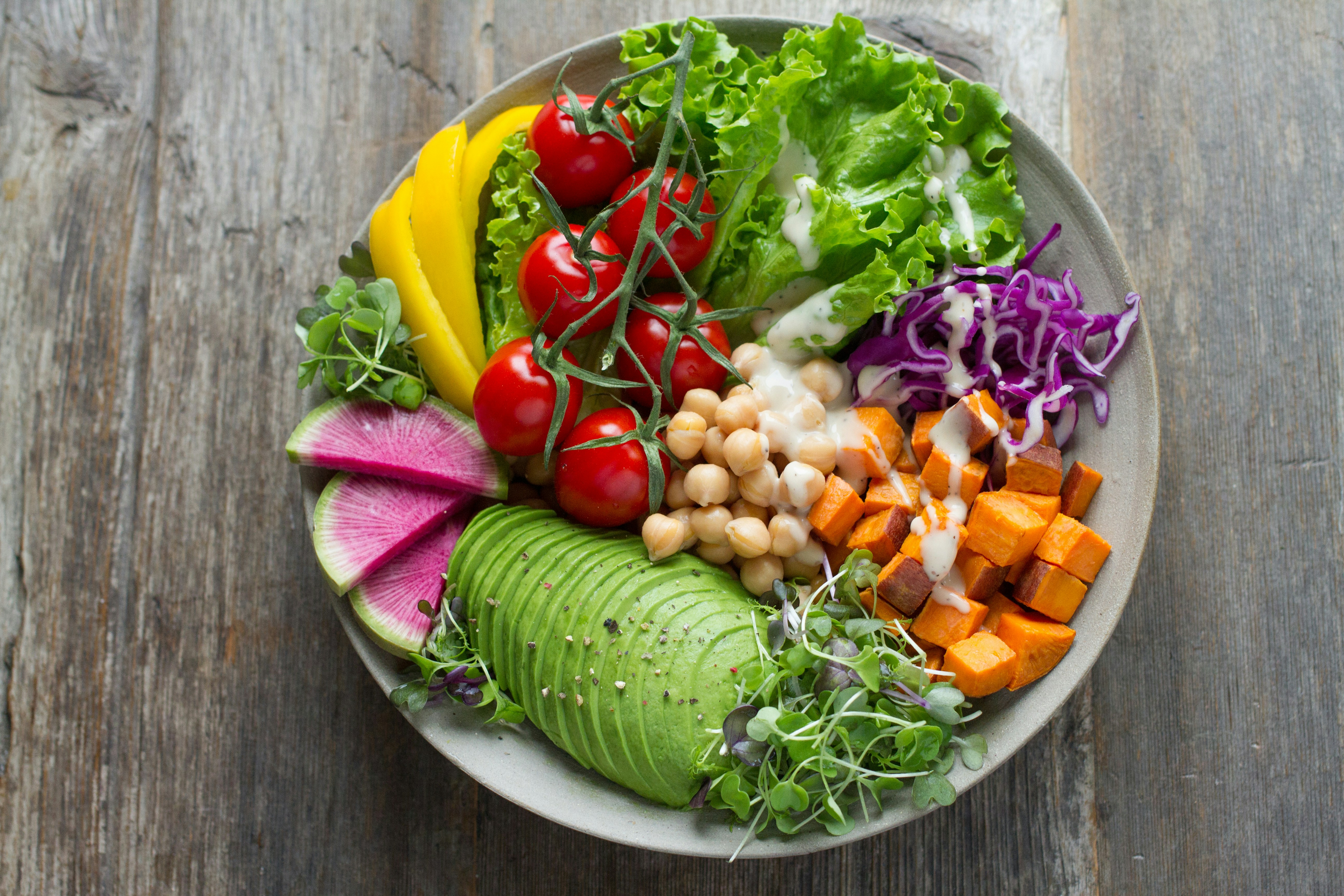
Why Weight Gain Happens During Menopause: 3 Hormones at Play
1. Falling Estrogen Shifts You Into Fat-Storage Mode
Estrogen acts like a safety signal for your body. When levels are higher, your body tends to feel comfortable burning fat. When estrogen drops during menopause, your body can shift toward storing fat instead, particularly around the belly, since fat tissue itself produces a small amount of estrogen.
2. Cortisol Adds to the Cycle
Menopause-related hot flashes and night sweats can disrupt sleep, and poor sleep tends to raise cortisol the next day. Elevated cortisol is linked to stronger sugar cravings and a tendency to store fat around the belly, even if your calorie intake hasn’t changed.
3. Insulin Resistance Makes Carbs Harder to Manage
Estrogen helps your cells respond to insulin efficiently. As estrogen drops, cells can become more insulin resistant, meaning blood sugar stays elevated longer and the body produces more insulin, which is closely tied to fat storage. That’s part of why foods that never used to cause problems can suddenly seem to affect your weight.
7 Natural Ways to Help With Menopause Weight Gain
1. Build a Protein-First Breakfast
Skipping breakfast or starting the day with a high-carb meal like oatmeal or fruit alone can spike cortisol and insulin for women over 45.
How to use it: Aim for 30 to 40 grams of protein within an hour of waking, along with a couple tablespoons of healthy fat, such as eggs with spinach and avocado. This tends to keep blood sugar steadier throughout the day.
2. Take a Walk After Dinner
Intense exercise can raise cortisol during menopause, while a relaxed evening walk tends to have the opposite effect and may help support healthier blood sugar levels.
How to use it: A 15-minute walk after dinner, no gym required, can help you sleep better and support your metabolism overnight.
3. Watch Out for a Few “Healthy” Foods
Some foods marketed as healthy can work against you after 45. Coffee on an empty stomach can spike cortisol, and low-fat yogurt or fruit juice can cause quick blood sugar swings.
Swap it: Have coffee after a protein breakfast rather than on an empty stomach, choose whole fruit with a source of protein instead of juice, and pick full-fat Greek yogurt over low-fat versions.
4. Try Magnesium Glycinate for Better Sleep
Poor sleep raises cortisol, and many women don’t get enough magnesium, a mineral that helps calm the nervous system and supports more consistent sleep.
How to use it: Take about 400 mg of magnesium glycinate an hour before bed. This form tends to be easier on digestion than other types.
5. Eat Protein Every Few Hours
Long gaps between meals can cause blood sugar dips that trigger cortisol spikes and intense cravings, especially in the afternoon and evening.
How to use it: Aim for 25 to 30 grams of protein every three to four hours from sources like Greek yogurt, chicken, or a protein shake.
6. Consider Ashwagandha
Ashwagandha is an adaptogen that’s been studied for its potential to help lower cortisol. Some research on KSM-66 ashwagandha suggests it may support healthier stress hormone levels over several weeks.
How to use it: A common dose is 300 mg before bed with food. Look for a third-party tested brand, and check with your doctor first if you have a thyroid condition.
7. Keep Your Bedroom Cool
Your core body temperature needs to drop somewhat to support deep sleep and overnight hormone release, and menopause-related hot flashes can work against that.
How to use it: Set your thermostat to around 65-67°F, consider a cooling blanket, and choose breathable cotton pajamas to help your body settle into deeper sleep.
3 Foods Worth Cutting Back On
These tend to spike insulin and cortisol, making it harder to manage weight during menopause.
Alcohol: Even one glass of wine can disrupt sleep for several hours and elevate cortisol for up to a day. Cutting back for a week or two can help you notice a difference.
“Low-fat” snacks: Many of these are high in added sugar to make up for the missing fat, which spikes insulin and encourages fat storage. Whole-food fats like nuts are often a better choice.
Artificial sweeteners: Some research suggests diet soda and similar products may still trigger an insulin response despite having no real sugar. Water is a simple swap.
When to Talk to Your Doctor
Natural approaches help most women, but check in with a doctor if you gain 20 or more pounds in three months without any diet changes, experience extreme fatigue or hair loss, or notice severe depression or anxiety.
These can sometimes point to a thyroid issue, and bloodwork can help your doctor determine whether hormone therapy is worth discussing.
The Bottom Line
Menopause weight gain is closely tied to falling estrogen, cortisol spikes, and insulin resistance, and it isn’t a reflection of your effort or willpower.
Start with a protein-first breakfast, add a walk after dinner, watch out for a few sneaky “healthy” foods, and prioritize sleep with magnesium, ashwagandha, and a cooler bedroom. Many women notice a difference within a few weeks of staying consistent.
Next step: Since better sleep supports lower cortisol, our guide on menopause insomnia pairs well with this one.
Source: For more information, see the National Institute on Aging on menopause.
This article is for educational purposes only and isn’t a substitute for medical advice. Results vary, so always talk with your doctor before starting a new diet or supplement.
Sources
About the Author
This article was written by Muhammad Adil, founder of The Health Writes. Muhammad is not a medical professional. Before publishing, he researches each topic using publicly available guidance from agencies like the CDC, FDA, and NIH, along with peer-reviewed studies, and cites sources above so you can verify the information yourself, then reviews each piece for accuracy before it goes live. Learn more on our About Us page, or reach out through our Contact page if you spot an error.
Medical Disclaimer: This article is for informational purposes only and is not intended as medical advice. It should not be used to diagnose, treat, cure, or prevent any disease or health condition. Always consult a licensed physician or qualified healthcare provider before starting any new supplement, dietary practice, or wellness routine, especially if you have an existing medical condition, are pregnant or nursing, or are taking prescription medications.


Pingback: Cortisol Belly: 7 Proven Warning Ways to Help a Woman