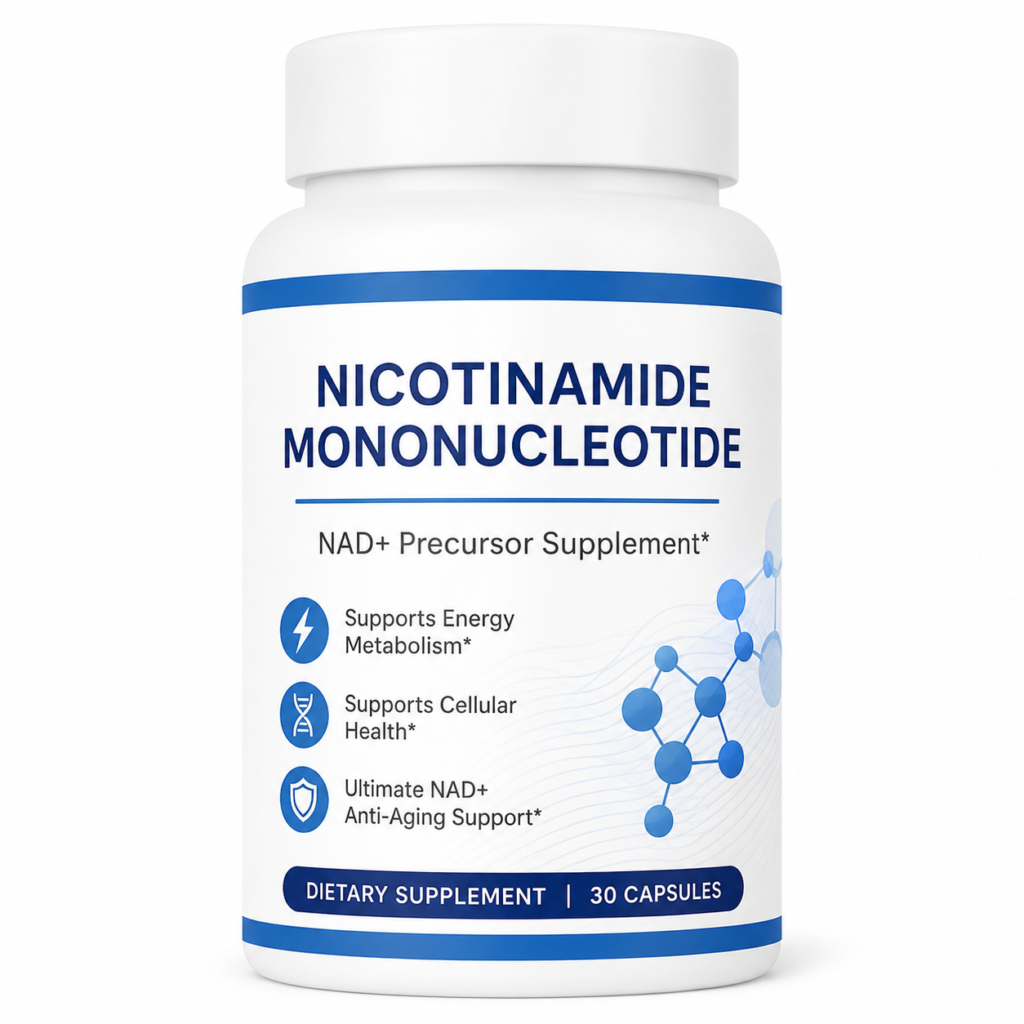
NMN, or nicotinamide mononucleotide, has become one of the most talked-about supplements in the healthy-aging space. Your body’s NAD+ levels naturally decline with age, and lower NAD+ is linked to fatigue, slower cell repair, and other signs of aging.
NMN is a direct precursor to NAD+, meaning your cells convert it into NAD+ once absorbed. Because of this, many people take an NMN supplement to support energy, cellular repair, and healthy aging as they get older.
This guide explains what NMN is, walks through the potential benefits backed by research so far, and covers dosage, safety, and side effects so you can decide whether it’s worth discussing with your doctor.
Sources
About the Author
This article was written by Muhammad Adil, founder of The Health Writes. Muhammad is not a medical professional. Before publishing, he researches each topic using publicly available guidance from agencies like the CDC, FDA, and NIH, along with peer-reviewed studies, and cites sources above so you can verify the information yourself, then reviews each piece for accuracy before it goes live. Learn more on our About Us page, or reach out through our Contact page if you spot an error.
Medical Disclaimer: This article is for educational purposes only. NMN is not FDA-approved to treat, cure, or prevent any disease. Talk to your doctor before starting any new supplement.
What Is NMN? The Basic Science
NMN (nicotinamide mononucleotide) is a molecule your body produces naturally, and it’s also found in small amounts in foods like broccoli, avocado, and edamame. Once inside your cells, NMN converts into NAD+, a coenzyme every cell needs to produce energy.
NAD+ levels tend to decline as you age, which is one reason cells become less efficient at producing energy and repairing DNA over time. NMN supplements aim to help replenish that supply.
7 Potential Benefits of NMN
1. Supports Energy Levels
Low NAD+ is associated with fatigue. Some small human studies suggest NMN supplementation can raise blood NAD+ levels and may improve subjective energy and stamina over several weeks, though more research is still needed to confirm consistent results.
2. May Support Healthy Aging
DNA damage naturally accumulates with age, and NAD+ plays a role in DNA repair pathways. Animal studies have shown promising results with NMN supplementation, and early human research suggests possible benefits for blood flow in older adults, though human longevity data is still limited.
3. Brain Health and Memory
The brain relies heavily on NAD+ for energy, and low levels have been linked to brain fog. Preliminary research suggests NMN may help support brain NAD+ levels in older adults, with possible benefits for memory and focus, though larger human trials are needed before firm conclusions can be drawn.
4. Muscle Strength After 40
Muscle strength naturally declines with age. Some early research in older adults has shown improvements in strength and walking speed after several weeks of NMN supplementation, which is encouraging, though this research is still in its early stages.
5. Heart Health and Blood Flow
NAD+ helps blood vessels stay flexible, and stiffer vessels are linked to higher blood pressure. Some human research suggests NMN may support artery health and healthy blood pressure, but anyone with existing heart conditions should talk to a doctor before supplementing.
6. Insulin Sensitivity
NAD+ plays a role in how cells use glucose for energy. A small clinical trial in prediabetic women found that NMN supplementation improved muscle insulin sensitivity, suggesting a possible role in supporting healthy blood sugar, though more research is needed in broader populations.
7. Eye Health
Eyes require NAD+ to function properly, and animal studies suggest NMN may help protect eye cells from age-related damage, including potential benefits for dry eyes. Human research in this area is still limited.
Safe NMN Dosage and Side Effects
Most studies use between 250 mg and 500 mg of NMN daily. If you’re trying it for the first time, it’s reasonable to start with a lower dose, such as 125 mg, for the first week before increasing gradually.
A few tips if you decide to try NMN: take it in the morning with food to reduce the chance of stomach upset, choose a reputable brand that publishes third-party testing, and avoid exceeding 500 mg daily unless your doctor advises otherwise.
Most people tolerate NMN well, but some report mild side effects such as skin flushing, headache, or an upset stomach. These typically resolve when the dose is lowered.
Important: Do not take NMN if you are pregnant, breastfeeding, or have a history of cancer, without first talking to your doctor. NMN’s regulatory status in the United States is still evolving, so check current guidance and consult a healthcare provider before starting.
NMN vs. NR: Which NAD+ Booster Is Better?
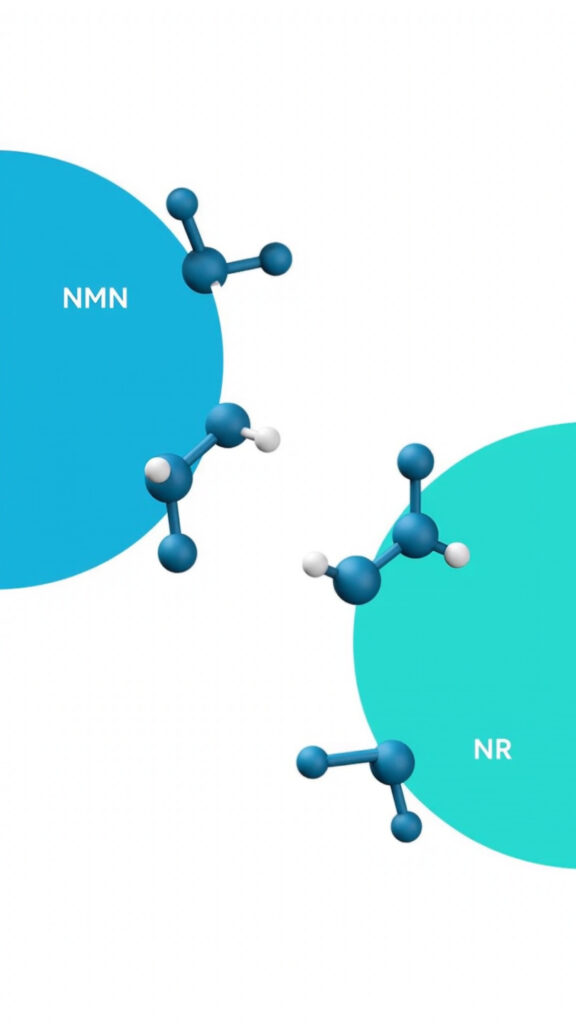
NMN and NR (nicotinamide riboside) are both NAD+ precursors, but they differ in a few ways. NMN is one metabolic step closer to NAD+ and has shown some evidence of muscle benefits, though its regulatory status in the U.S. is more complicated. NR converts in two steps, appears to enter cells efficiently, has a larger body of human research behind it, and holds FDA GRAS (Generally Recognized As Safe) status, often at a lower cost.
For most people who want a well-studied, lower-cost option to start with, NR may be the more straightforward choice. If you’d like a deeper comparison, read our full NMN vs NR guide.
Can You Get NMN From Food?
NMN does occur naturally in foods, but only in very small amounts. For example, you’d need roughly 100 kg of broccoli to get the equivalent of a 250 mg NMN dose, which makes food alone an impractical way to reach research-level amounts.
Foods that contain small amounts of NMN include: broccoli (about 0.25 mg per 100g), avocado (about 0.36 mg per 100g), and edamame (about 0.47 mg per 100g). A supplement is generally the only practical way to reach the doses used in research.
The Bottom Line on NMN
NMN supplements are one option some people use to support NAD+ levels as part of a healthy-aging routine, with early research pointing to possible benefits for energy, brain function, muscle strength, and heart health. Most adults tolerate doses around 250 mg daily well, but as with any supplement, it’s worth talking to your doctor first, starting at a lower dose, and tracking how you feel over the following weeks.
Medical Source: For more information on NAD+ and aging, see the National Institute on Aging.
Disclaimer: This article is for educational purposes only and does not replace medical advice. Always talk to your doctor before starting any new supplement.

Pingback: NMN vs NR: The Ultimate NAD+ Booster Showdown for 2026